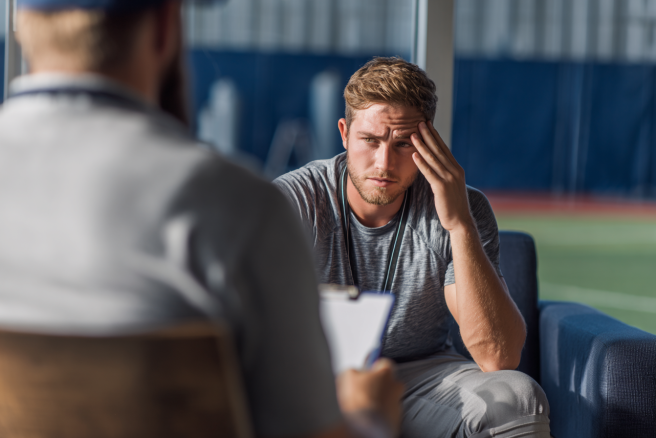
Developing mental skills is a crucial aspect of achieving peak performance in sports. For youth athletes, coaches, and parents, understanding and applying mental skills training can have a significant impact not only on athletic success but also on personal development. Below are practical insights into how these groups can leverage mental skills to enhance performance.
Benefits of Mental Skills Training
- Improved focus: Teaches young athletes how to concentrate during critical moments.
- Enhanced confidence: Builds self-belief by reinforcing positive thought patterns.
- Better stress management: Provides tools to cope with anxiety and high-pressure situations.
- Stronger motivation: Develops intrinsic drive for continuous improvement.
For parents and coaches, mental skills training equips them with strategies to support young athletes effectively.
Core Mental Skills for Athletes
- Encourages setting short-term, medium-term, and long-term goals.
- Emphasizes SMART goals (Specific, Measurable, Achievable, Relevant, Time-bound).
- Helps athletes mentally rehearse successful performances.
- Encourages envisioning challenges and overcoming them.
- Techniques such as controlled breathing or mindfulness reduce stress levels.
- Recognizing emotions during competition prevents emotional outbursts or energy loss.
- Positive affirmations combat self-doubt.
- Replacing negative thoughts with constructive statements fosters resilience.
The application of these core skills can transform how young athletes approach their sport both mentally and physically.
How Coaches Can Enhance Performance Through Mental Skills Training
- Provide consistent feedback using a supportive tone rather than criticism.
- Incorporate mindfulness exercises into practice sessions to develop focus under pressure.
- Implement pre-game routines that encourage calmness and preparedness among players.
- Foster a growth mindset by rewarding effort instead of just outcomes or victories.
| Skill | Role of the Coach | Example Activity |
| Goal Setting | Help set clear objectives | Weekly check-ins on progress |
| Emotional Regulation | Encourage calm decision-making under pressure | Breathing drills after intense practice sets |
| Visualization | Lead team visualization sessions before competitions | Group imagery exercise where players imagine success together |
Supporting Youth Athletes as Parents
- Celebrate efforts over results—this reinforces perseverance rather than fear of failure.
- Avoid pressuring children about performance outcomes; instead, focus on personal growth.
- Encourage open dialogue about fears or challenges they face in sports settings.
- Model calm behavior during games—children often mirror parental reactions to stressful situations.
By serving as positive role models and providing unconditional encouragement, parents help create an environment where youth athletes thrive both mentally and emotionally.
Incorporating mental skills training empowers coaches, parents, and athletes alike to enhance not just athletic performance but also life-long resilience and confidence in challenging situations.
How a Sports Mental Coach in San Jose, CA Can Help Develop Young Athletes
Developing young athletes involves more than just physical training. While technical skills, fitness, and strategy are critical components of athletic success, mental skills training plays an equally vital role in their growth. By focusing on psychological tools and techniques, coaches, parents, and mentors can equip young athletes with the mindset needed to thrive not only in sports but in life.
Why Mental Skills Training Matters
- Build Confidence: Confidence is a cornerstone of performance. When athletes believe in their abilities, they’re more likely to take risks, stay motivated, and recover from setbacks.
- Manage Pressure: High-pressure situations—like competitions or tryouts—can overwhelm even the most talented players. Mental training equips them with strategies to stay calm and focused under stress.
- Improve Focus: Enhancing concentration is essential for maintaining performance during distractions or challenging moments.
- Enhance Resilience: Teaching resilience prepares young athletes to bounce back from failures or disappointments.
By integrating mental skills training early on, these benefits become ingrained habits that serve athletes throughout their careers.
Core Components of Mental Skills Training
- Helps provide direction and motivation.
- Can include short-term goals (e.g., improving technique) and long-term aspirations (e.g., making a team).
- Encourages athletes to mentally rehearse scenarios such as executing a play or overcoming challenges.
- Builds familiarity with success under various conditions.
- Positive self-talk replaces doubt with encouragement.
- Reinforces confidence during tough moments.
- Teaches how to manage fear, frustration, or nerves effectively.
- Includes techniques such as deep breathing or mindfulness exercises.
- Helps young athletes juggle academics, social life, and sports obligations without becoming overwhelmed.
Role of Coaches and Parents
| Stakeholder | Role |
| Coaches | Promote a supportive environment emphasizing growth over results. |
| Parents | Offer emotional support without applying undue pressure. |
| Both | Encourage open communication about fears, goals, and progress. |
A unified approach ensures that children feel supported both on the field and at home.
Long-Term Benefits
- Encourages lifelong habits of discipline and perseverance.
- Prepares young individuals for challenges outside sports.
- Builds emotional intelligence through self-awareness and regulation practices.
By prioritizing mental development alongside physical preparation, we help shape well-rounded athletes who are not only equipped for competition but also for personal growth throughout life.
Exploring Sports Psychiatry in San Jose, CA: The Role of Mental Skills Training for Young Athletes
Mental skills training is a critical component in the development of young athletes. While physical training often takes center stage, mental conditioning plays an equally important role in shaping well-rounded athletes who can thrive under pressure, overcome challenges, and maintain consistent performance. Below is an exploration of why mental skills training is essential for young athletes and how it can be effectively incorporated into their routine.
Benefits of Mental Skills Training for Young Athletes
- Young athletes often struggle with distractions during practice and competition.
- Mental skills training equips them with tools to improve focus, whether it’s through mindfulness exercises or visualization techniques.
- Sports inherently involve moments of high stress and intense emotions.
- Learning to manage emotions such as frustration, anxiety, or disappointment allows athletes to stay composed.
- Training helps young athletes set realistic short-term and long-term goals.
- SMART goal-setting techniques (Specific, Measurable, Achievable, Relevant, Time-bound) are commonly used in this process.
- Confidence-building exercises are a cornerstone of mental conditioning.
- Techniques like positive self-talk help athletes believe in their abilities.
- Failure is inevitable in sports; resilience ensures an athlete bounces back stronger after setbacks.
- By fostering a growth mindset, mental skills training teaches athletes to view failures as learning opportunities.
Key Components of Mental Skills Training
| Component | Description | Examples |
| Visualization | Creating mental imagery of successful performance to build confidence and prepare mentally. | Imagining scoring a goal |
| Mindfulness | Staying present in the moment to reduce anxiety and enhance concentration. | Breathing exercises |
| Self-Talk | Encouraging positive internal dialogue that challenges negative thoughts or doubts. | Repeating affirmations |
| Goal-Setting | Establishing clear goals that motivate and provide direction for improvement. | Weekly skill improvement targets |
| Relaxation Techniques | Reducing stress levels through relaxation methods such as progressive muscle relaxation (PMR). | Guided meditations |
Role of Coaches and Parents
- Promote a growth-oriented environment by focusing on effort rather than just outcomes.
- Create structured time during practice sessions to incorporate activities like visualization or journaling.
- Encourage open communication about emotional challenges related to sports participation.
- Reinforce the lessons taught by coaches by practicing techniques like mindfulness at home.
Practical Applications for Youth Sports
- Integrate short mindfulness sessions into warm-ups or cool-downs during practices.
- Encourage team discussions about overcoming adversity after games or competitions.
- Provide individual feedback that emphasizes both physical effort and mental resilience demonstrated on the field.
By prioritizing mental skills development alongside physical training, young athletes gain tools not only for success in sports but also for personal growth that extends beyond athletic performance.
Mentally Strong Athletes: Insights from a Sports Psychologist San Jose, CA
When evaluating success in sports, both physical ability and mental strength play vital roles. However, many experts debate whether being physically gifted or mentally strong has a greater impact on athletic achievement. Let’s delve into the characteristics of each and examine how they contribute to overall success.
Exploring Sports and Performance Psychology in San Jose, CA for Physically Gifted Athletes
- Superior Physical Attributes: Exceptional speed, strength, agility, or endurance that sets them apart from their peers.
- Natural Coordination: A high level of motor skill development without significant training effort.
- Physical Adaptability: The ability to rapidly adjust to changes in physical demands within the sport.
- Injury Resistance: A body less prone to injuries due to strong genetics or superior biomechanics.
These physical traits undeniably provide a foundation for success in sports; however, they often need to be complemented with mental conditioning to reach peak performance.
How Performance And Sports Psychology in San Jose, CA Shapes Mentally Strong Athletes
- Resilience: The ability to recover from setbacks or failures quickly.
- Focus: Maintaining attention on goals despite distractions or external pressures.
- Emotional Control: Managing stress, anxiety, and frustration during high-stakes moments.
- Self-Belief: Holding confidence in their abilities even when faced with adversity.
Unlike physical talent, mental toughness can be developed through intentional practice over time with the help of techniques such as mindfulness training and visualization.
Maximizing Potential Through Sports Performance Coaching in San Jose, CA
| Factors | Physically Gifted Athletes | Mentally Strong Athletes |
| Reliance | Natural abilities | Psychological resilience |
| Response under Pressure | May falter without mental prep | Excel in high-pressure moments |
| Longevity | Limited by injuries/aging | Sustained through mindset |
| Trainability | Partly fixed (genetics) | Trainable at any level |
While both types of athletes can succeed in their respective domains, it is often the combination of these factors that creates truly elite performers.
Unlocking Sports Performance Psychology in San Jose, CA: The Key to Mental Strength Over Physical Prowess
- Consistency Under Pressure: In competitive environments, even the most physically talented athletes can underperform if they lack focus or confidence during critical moments. Mental toughness ensures consistency regardless of external conditions.
- Adaptability: While physical abilities may decline over time due to aging or injury, mentally strong athletes adapt their strategies and maintain competitiveness despite physical limitations.
- Leadership & Team Impact: Mental strength fosters better communication skills and decision-making under stress, which benefits not only individual performance but also team dynamics.
Finding Balance with a Sports Mental Therapist in San Jose, CA
- Incorporating endurance exercises alongside resilience-building activities like meditation.
- Encouraging self-reflection sessions after games alongside technique drills.
- Using goal-setting frameworks that emphasize both short-term tangible progress (physical metrics) and long-term mindset growth (mental strategies).
Through merging these two pillars — physical prowess and mental fortitude — athletes can unlock their full potential while achieving sustainable success in competitive sports environments.
How Sports Counselling San Jose, CA Helps Athletes Overcome Mental Barriers and Improve Performance
Sports psychologists play a crucial role in helping athletes navigate the mental challenges that can hinder their performance. While physical training is often the primary focus for athletes, mental preparation is just as important. Here’s how sports psychologists assist athletes in overcoming mental barriers and optimizing their performance: https://www.mindbalancesport.com/counseling-san-jose-ca
Finding a Sports Psychologist Near Me to Overcome Mental Barriers in Athletes
Mental barriers can manifest in various ways, including:
– Performance anxiety: Fear of failure or fear of performing under pressure.
– Lack of confidence: Doubting one’s abilities to perform consistently.
– Negative self-talk: Persistent thoughts that undermine self-belief.
– Burnout: Emotional and physical exhaustion from overtraining or stress.
– Fear of injury: Hesitation and reduced performance due to previous injuries or fear of getting hurt again.
By identifying these barriers, sports psychologists can create tailored strategies to address and resolve them effectively.
Strategies to Overcome Mental Barriers
1. Goal Setting
Setting clear, realistic, and achievable goals is essential for building motivation and focus. Sports psychologists help athletes establish short-term process goals alongside long-term outcome goals to create a sense of progression and success.
2. Visualization Techniques
Visualization, also known as imagery training, involves mentally rehearsing successful performances or scenarios. This technique helps athletes build confidence by vividly imagining themselves succeeding in their sport.
3. Cognitive Behavioral Strategies
Through cognitive behavioral therapy (CBT), sports psychologists work with athletes to identify negative thought patterns and replace them with constructive, empowering beliefs.
4. Mindfulness Training
Mindfulness practices such as meditation or breathing exercises enhance an athlete’s ability to stay present during competition and reduce anxiety about outcomes they cannot control.
5. Developing Pre-Performance Routines
Creating consistent pre-performance routines helps reduce nerves by putting the athlete into a focused state before competing.
Examples of Impact
| Mental Barrier | Strategy Used | Outcome Achieved |
| Performance anxiety | Breathing exercises | Reduced nervousness before competitions |
| Lack of confidence | Positive self-talk | Improved self-belief during critical moments |
| Fear of injury | Visualization | Increased trust in physical recovery |
The Role of Communication and Support
Overcoming mental barriers isn’t solely an individual effort; it also involves collaboration between the athlete, coach, family members, and even teammates where necessary. Sports psychologists facilitate open communication among these parties to foster a supportive environment conducive to growth and resilience.
Long-Term Benefits for Athletes
Addressing mental barriers doesn’t just lead to improved performance—it contributes significantly to overall well-being both on and off the field. Athletes who learn how to manage stressors become more adaptable under pressure, better at handling adversity, and more confident across all areas of life.
By partnering with a skilled sports psychologist, athletes unlock their full potential while developing essential life skills that extend beyond their athletic careers.
Exploring Performance Psychology in San Jose, CA: Enhancing Team Dynamics and Communication
Sports psychologists play a critical role in fostering team cohesion and effective communication, both of which are essential for optimal performance in sports. Whether working with professional teams, collegiate athletes, or youth sports groups, these experts use evidence-based strategies to create environments where trust, collaboration, and mutual understanding thrive.
Key Areas Where Sports Psychologists Enhance Team Dynamics
- Trust Exercises: Facilitating activities to promote understanding and build rapport among teammates.
- Encouraging open communication to reduce conflicts and foster genuine connections.
- Teaching athletes to provide constructive feedback to one another without causing resentment.
- Training individuals on active listening techniques to ensure everyone’s voice is heard during team discussions.
- Helping the team define collective goals that align with individual aspirations.
- Encouraging alignment between the coach’s leadership style and the team’s values.
- Mediating disputes among teammates to prevent long-term disruptions.
- Equipping athletes with tools for resolving interpersonal challenges proactively.
- Supporting captains or senior players in developing skills such as decision-making, empathy, and positive reinforcement of others.
- Identifying individual strengths within the group to delegate roles effectively.
Techniques Employed by Sports Psychologists
| Technique | Purpose | Example |
| Team-Building Activities | To foster cooperation and trust | Group problem-solving challenges or collaborative drills |
| Visualization Exercises | To align focus toward collective success | Guided imagery of executing plays as a synchronized unit |
| Communication Workshops | To teach verbal and nonverbal communication techniques | Role-playing scenarios for effective huddle discussions |
| Personality Assessments | To understand individual tendencies | Using tools like the DISC or MBTI assessments |
Benefits of Improved Team Dynamics
- Enhanced On-Field Performance: Teams that communicate well are better equipped to execute strategies cohesively during competition.
- Lower Stress Levels: Reduced conflict fosters an environment where players feel supported rather than pressured.
- Increased Resilience During Adversity: Stronger bonds enable teams to recover quickly from setbacks.
- Higher Player Satisfaction: When every teammate feels valued, their motivation increases significantly.
The Importance of Communication in High-Stakes Scenarios
In competitive environments where decisions must be made within seconds, clear communication can make all the difference between success and failure. A sports psychologist helps ensure that every athlete understands their role within the broader system while also equipping them with tools for rapid decision-making under pressure.
By addressing interpersonal issues head-on and creating opportunities for growth as both individuals and as a collective unit, sports psychologists act as facilitators who transform good teams into exceptional ones capable of reaching peak performance together.
Why Mental Strength Is Essential for Success in Competitive Sports
In the world of competitive sports, mental strength is as important as physical ability. Athletes who can manage their emotions, maintain focus under pressure, and bounce back from setbacks often achieve sustained success. Mental strength goes beyond raw talent or fitness; it’s the foundation for achieving peak performance and navigating the challenges that come with elite competition.
The Core Components of Mental Strength
- Athletes face high-stress situations during competition. Managing emotions like anxiety, frustration, or excitement is crucial to maintaining optimal performance.
- Effective emotional regulation helps athletes stay composed and avoid making impulsive decisions under pressure.
- Maintaining focus allows athletes to execute strategies effectively, even in distracting environments such as noisy arenas or challenging weather conditions.
- Techniques like mindfulness exercises or using pre-performance routines can enhance concentration skills.
- Success in competitive sports involves overcoming failures and setbacks such as injuries, losses, or tough competition. Resilience enables athletes to recover mentally and push forward toward their goals.
- Confidence plays a key role in helping athletes believe in their ability to perform at a high level.
- Positive self-talk and visualization practices are often used to build and sustain confidence before competitions.
Benefits of Mental Strength in Competitive Sports
| Mental Skill | Benefit | Example |
| Emotional Regulation | Keeps focus on strategy rather than distractions | A basketball player stays calm after missing shots |
| Focus | Ensures execution of game plans despite challenges | A goalkeeper concentrates despite crowd noise |
| Resilience | Drives recovery from losses or errors | A sprinter trains harder after finishing second |
| Self-Confidence | Enhances belief in abilities during critical moments | A tennis player trusts their serve under pressure |
Techniques for Building Mental Strength
- Visualization: Athletes visualize themselves succeeding in specific scenarios to improve confidence and readiness for real-life situations.
- Goal Setting: Breaking down goals into short-term milestones provides motivation and structure while building resilience during setbacks.
- Mindfulness Training: Practices like meditation or breathing exercises help reduce stress levels and improve focus.
- Cognitive Behavioral Strategies: Identifying negative thought patterns and replacing them with constructive ones builds mental resilience over time.
Why Coaches Should Prioritize Mental Training
Coaches play a pivotal role in fostering mental strength among athletes by:
– Encouraging open communication about mental challenges without stigma. – Incorporating psychological training into regular practice routines. – Providing constructive feedback that emphasizes effort over outcomes.
When coaches prioritize both physical preparation and mental skills development, they create well-rounded athletes equipped to handle the pressures of competitive sports while striving for excellence on and off the field.
Why Mental Strength Is Essential for Success in Competitive Sports
In the world of competitive sports, physical ability often takes the spotlight, but mental strength is the foundation upon which true success is built. Athletes who can master their mindset and emotions are more likely to perform consistently, handle pressure, and overcome challenges. Below is an exploration of why mental strength is critical and how it influences performance.
Key Components of Mental Strength
- Resilience: The ability to bounce back quickly from setbacks or failures.
- Focus: Maintaining attention on goals and tasks despite distractions.
- Emotional Regulation: Managing emotions effectively during high-pressure situations.
- Confidence: Belief in one’s abilities irrespective of external circumstances.
- Motivation: Sustaining drive and commitment even when faced with adversity.
Benefits of Mental Strength in Competitive Sports
- Enhanced Performance Consistency
Athletes with strong mental fortitude can maintain peak performance across different environments, whether they are competing at home or in high-stakes tournaments. - Improved Stress Management
Competitive sports often involve intense pressure. Mentally strong athletes employ strategies like breathing techniques or visualization exercises to stay calm under stress. - Greater Resilience to Failure
In competition, setbacks are inevitable. Athletes who develop resilience learn from their mistakes instead of dwelling on them, enabling quicker recovery. - Increased Focus During Key Moments
Mental distractions such as self-doubt or external noise can derail performance during critical moments. Strong focus ensures attention remains where it matters most—on executing skills effectively. - Stronger Leadership Skills for Team Sports
In team settings, mentally strong athletes often emerge as leaders due to their ability to inspire teammates and remain composed under pressure.
Techniques for Building Mental Strength
| Technique | Description |
| Visualization | Imagining successful scenarios before they occur to boost confidence |
| Goal Setting | Breaking long-term objectives into achievable short-term targets |
| Mindfulness Training | Developing present-moment awareness through meditation or breathing |
| Cognitive Restructuring | Replacing negative thoughts with empowering beliefs |
| Self-Talk Optimization | Using positive affirmations to reinforce confidence |
Real-Life Example
Consider a professional tennis player facing a tough match against a higher-ranked opponent. While physical preparation plays a role, their mental preparation—such as rehearsing winning points mentally the night before—can be the difference between victory and defeat.
Similarly, team-based sports require collective mental toughness where players must trust each other’s abilities while focusing on strategic execution rather than individual errors or pressures from fans.
Takeaway Message
Mental strength acts as an invisible edge in competitive sports that separates top performers from those unable to meet expectations under pressure. By dedicating time and effort toward building this critical skillset, athletes not only enhance their potential but also develop tools for success both on and off the field.
- Sport Performance Training in San Jose, CA: Mental Skills for Coaches, Athletes, and Parents
- Supporting Youth Athletes with a Sports Psychologist in San Jose, CA to Build Mental Resilience
- The Role of Sports Counselling San Jose, CA in Athletic Success
- Exploring Sports Counselling San Jose, CA: The Role and Impact of Mental Training in Athletics
- Unlocking Peak Potential Through Performance Psychology in San Jose, CA
- Exploring the Role of a Sports Psychologist in San Jose, CA and Their Impact on Athletes
- Sport Performance Training in San Jose, CA: What You Need to Know About Improving Athletic Performance